Betting odds for EPL winner
There’s a lot to weigh when you’re checking betting odds for the EPL winner, so I’ll walk you through how to read markets, spot value bets, manage risk, and compare sportsbooks for the best odds. I’ll explain how form, injuries and fixture swings affect prices so you can make smarter, responsible choices and protect your bankroll.
Understanding Betting Odds
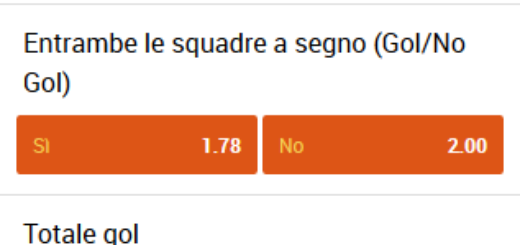
I break odds down to help you spot value and manage risk: a 2.50 decimal implies a 40% win chance and returns 2.5× your stake, while a 5/2 fractional yields 2.5× profit on a win. Markets react fast-injury news or lineup changes can push a favorite from 1.80 to 2.20 within hours.
Types of Betting Odds
I group formats into three practical sets so you can compare payouts and probabilities quickly: Decimal (2.50 → 2.5× return), Fractional (5/2 → net 2.5×), and American (+150/−200 → stake-to-win examples). Using a 100-unit stake makes the math immediate and shows how a bookmaker’s margin reduces your edge. Thou, always convert to implied probability before sizing a bet.
- Decimal
- Fractional
- American
- Implied probability
- Bookmaker margin
| Odds Type | Quick Explanation & Example |
|---|---|
| Decimal | Shows total return: 2.50 → stake 100 returns 250; implied prob = 40% |
| Fractional | Profit relative to stake: 5/2 → win 250 on 100; same as 2.50 decimal |
| American | Positive = how much per 100 ( +150 → win 150 on 100); negative = stake to win 100 (−200 → stake 200) |
| Implied Probability | Convert: 1/decimal (1/2.50 = 40%); use to compare books and spot value |
How Betting Odds Work
I convert odds to implied probability using 1/decimal (1/2.50 = 0.40 → 40%); bookmakers add a margin so the sum of implied probabilities exceeds 100%, typically 103-110% in league markets, which is where your expected return is reduced.
For a concrete case I use match lines: Manchester City 1.90, Draw 3.75, Arsenal 4.00 gives implied probabilities of 52.6%, 26.7%, and 25.0% respectively, summing to 104.3% – that 4.3% overround is the bookmaker margin. I look for markets where late moves or differing books drop the overround closer to 100%, because that’s where I can find true value and positive expected return.
Tips for Betting on EPL Winners
- Compare betting odds to implied probability to find value bets.
- Monitor injuries, suspensions and rotation before locking long-term EPL winner stakes.
- Control your bankroll: I usually stake 2-5% of the season pot on futures to limit downside.
- Shop lines across bookmakers and use odds movement to gauge market confidence.
Researching Teams and Players
I focus on granular metrics: xG per 90, shots on target, and last-10-match form, then cross-check with team news. I track playing time for key contributors-if your top scorer misses 4-6 weeks that often cuts title probability noticeably. I also scan managers’ rotation patterns in cups versus league to estimate reliable starting XIs before you commit long-term.
Analyzing Previous Seasons
I compare season-by-season points totals, goal difference, managerial changes and net transfer turnover; swings of 8-12+ points usually signal real trend shifts. I look at outliers for context: sudden drops after heavy squad change or a managerial overhaul often mean a team won’t sustain previous form.
I dig into case studies: Leicester’s 2015-16 title at around 5000/1 shows how rare outliers are, while Chelsea’s fall to 10th after their prior title season illustrates regression from instability. I quantify squad continuity-teams replacing >30% of minutes often lose 6-12 points the following season-and weigh transfer spend versus actual net impact on goals and clean sheets. Assume that promoted sides with negative goal difference and heavy turnover are unlikely to mount a genuine title challenge.
Step-by-Step Guide to Placing a Bet
| Quick Steps | |
|---|---|
| Step | Action |
| 1. Choose platform | I check UKGC licensing, odds margins (~3-8%), and examples like Bet365, William Hill or Pinnacle for low margins. |
| 2. Deposit | I note min deposits (often £5), prefer debit or e-wallets, and verify payout speed (24-72 hours). |
| 3. Pick market | I decide between match winner, outright EPL winner, or each-way; decimal odds show implied probability (e.g., 4.50 = 22.2%). |
| 4. Stake & type | I set a stake (typical £5-£50), choose single/accumulator, and apply unit staking or a 1-2% bankroll rule. |
| 5. Confirm & monitor | I check the bet slip for potential return, transaction ID, and cash-out options; then track in-app live. |
Choosing a Betting Platform
I prioritize platforms with a valid UKGC license, low margin odds (ideally 3-6%), and strong app ratings; for example, Bet365 offers extensive in-play markets while Pinnacle often has the lowest margins for outright markets. I also compare welcome offers-typical bonus examples are 100% up to £50 with wagering requirements like 5×-and check payment options, deposit limits, and customer service response times before I deposit.
Making Your Bet
I verify the market and odds, convert decimal odds to implied probability (e.g., 1.90 ≈ 52.6%), then set a stake aligned to my bankroll-many casual bettors use £10-£50 per bet. I confirm the bet slip shows the correct selection and potential return, note the transaction ID, and use cash-out if it improves value during live play.
I also choose bet types carefully: a single pays stake×odds (£10 at 1.90 returns £19), while an accumulator multiplies legs (2.00×1.80×1.50 = 5.40, so £10 → £54). I limit exposure by capping stakes and often keep stakes to 1-2% of my bankroll, monitor maximum accepted stakes, and be aware of rollover terms on any promotional bets.
Factors Influencing Betting Odds
I track how bookmakers weigh recent form, head-to-head records, xG metrics and schedule congestion-a team with +0.4 xG per game over 10 matches often sees its implied win probability rise noticeably. I also watch market liquidity and public money that can swing prices within hours, and I factor in home advantage, typically worth a few percentage points in the EPL. Recognizing how these elements interact helps you spot value.
- Team Performance
- Injuries
- Transfers
- Home Advantage
- Market Movement
Team Performance
I focus on last 10-match metrics like points per game and xG: a side averaging 2.1 PPG in that span is materially more likely to shorten in the market than one at 1.1 PPG. I factor in streaks-an 8-match unbeaten run or a -6 goal differential in away fixtures changes implied probabilities-and you should weight form against fixture difficulty and rotation risk.
Injuries and Transfers
I monitor weekly injury lists and registration updates because losing a top scorer or your primary center-back for 3-6 weeks often reduces expected goals or increases conceded chances; market odds can widen accordingly. I watch whether replacements are proven starters or untested youth, and I track recovery timelines from trusted club reports.
I dig deeper into transfers: a summer marquee signing with consistent league history can move odds by double-digit implied percentage points, while late January deals usually need immediate impact to matter. I check match fitness, international clearance and how quickly managers integrate new players-if the signing plays centrally (striker or CB), the effect on goals and clean sheets is most pronounced, which directly affects your betting edge.
Pros and Cons of Betting on EPL Winners
| Pros | Cons |
|---|---|
| Deep markets and high liquidity make it easy to find bets and competitive odds. | Favorites often offer low returns; edges are small unless you spot market inefficiencies. |
| Abundant data: I can use stats on goals, xG, injuries and rotation to inform bets. | Injuries, fixture congestion, and European travel cause sudden form swings. |
| Season-long bets let you lock prices early; hedging is possible as the campaign unfolds. | Your stake is tied up for months, creating an opportunity cost and patience test. |
| High-profile teams (Man City, Liverpool) often show consistent models of expected success. | Upsets happen – Leicester 2015-16 is a reminder that long shots can win. |
| Promos and enhanced odds are frequent, boosting expected value on selected lines. | Bookmaker margins and sharp books reduce value; lines can move quickly against you. |
| You can combine winner bets with props (top scorer, points) to diversify exposure. | Emotional bias toward your team can lead to poor staking and chasing losses. |
Advantages of Betting
I often spot value because the EPL has 20 teams and intense coverage, so stats like xG, possession and fixture difficulty are available daily; using those, I’ve found season bets where bookmakers overreact after a poor run and offer enhanced odds that make staking worthwhile, especially early when markets imply long-term probabilities that shift as injuries and European commitments appear.
Risks to Consider
You should know the main hazards: variance across a 38-game season, sudden injuries to key players, and the fact your money is often locked for months; these factors mean even smart models can be wrong, and emotional attachment to a club can amplify losses if you chase stakes after a bad run.
In practice I manage those risks by sizing season bets conservatively – typically 1-3% of my bankroll per long-term wager – and by planning hedges once markets move. Historical shocks like Leicester’s improbable 2015-16 title (they began the season as massive outsiders) show that extreme variance exists, so I monitor rotation, European schedules, and injury reports weekly; when odds shift because of a key injury or fixture pile-up, I either hedge or add a small, data-backed position rather than overcommit. Betting exchanges and matched betting can also limit downside if I need to lock a profit before season end.
To wrap up
Upon reflecting, I see that betting odds for the EPL winner give a useful snapshot of probabilities and market confidence; I use them to spot value, but I also factor in form, injuries and recent head-to-heads before committing your stake, so you can make more informed bets.