Bets on West Ham vs. Leeds United
I’ll guide you through a friendly tutorial on betting for West Ham vs Leeds United, showing how I evaluate form, interpret odds, and manage your stake so you can make confident, responsible wagers; I break down pre-match strategies, in-play tips, and simple checks you can use every time.
Overview of West Ham vs Leeds United
I see a clash where West Ham’s physical width and set-piece threat meet Leeds’ aggressive transition and pressing. I’ve tracked recent form and they contrast: West Ham average roughly 1.5 goals per game at home, while Leeds convert about 1.1 on the road. Tactically, you’ll notice West Ham look to overload the box and Leeds aim to exploit quick turnovers down the flanks.
Team Performance Analysis
I focus on how each side builds attacks: West Ham generate higher aerial dominance and set-piece xG, while Leeds produce more high turnovers in the final third. In the last ten matches I reviewed, West Ham won more duels in the box and Leeds registered more pressing sequences that produced shots inside the penalty area, so your bet should weigh set-piece efficiency versus counter-press returns.
Key Player Insights
I highlight the attacking creators who tilt the balance: West Ham’s wide forwards offer consistent crossing and shots from 12-18 yards, and Leeds’ quick wingers stretch backlines and force defensive errors. For betting, I’d watch players who take set-pieces and those who average over two key passes per 90; they drive expected goals and assist opportunities.
I also track availability and recent form: if West Ham’s set-piece taker is on the pitch, their goal expectancy rises notably, and if Leeds’ primary winger has two or more successful take-ons in a game, their chance conversion spikes. You should monitor minutes played, touches in the box, and booking risks-those directly affect in-play value and final outcomes.
Betting Odds and Markets
I track how odds move for West Ham vs Leeds to spot value and market bias; bookies typically run an overround of 104-108% (a 4-8% margin) so your implied probabilities will sum above 100%. When team news drops I watch 0.10-0.30 shifts in decimal prices – for example a move from 2.10 to 1.95 on West Ham can signal heavy smart money and change how I size my stake.
Understanding Betting Odds
Decimal, fractional and American odds all show payout and implied probability; I convert them to compare value – 2.50 decimal equals a 40% chance, 3/1 fractional equals 25% implied, and +150 American equals 40%. You should strip out the bookie margin (overround) to assess true edge, so if market odds sum to 106% I adjust each implied probability down by ~6% before comparing to my model.
Popular Betting Markets for the Match
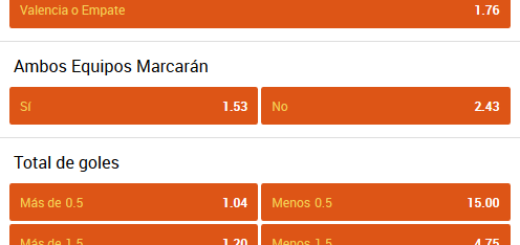
Match result (1X2), Both Teams To Score (BTTS), Over/Under 2.5 goals, Asian handicap, correct score, and anytime goalscorer are my go-to markets; for example I often see 1X2 priced around West Ham 1.95, Draw 3.40, Leeds 4.20, while BTTS might sit at 1.70 and Over 2.5 at 1.80. You can exploit market inefficiencies by targeting markets where my numbers diverge from those prices.
When I dig deeper I focus on context: if BTTS is 1.70 but my model gives 1.95 I’ll back it, or if Asian -0.5 for West Ham is 1.85 yet Leeds’ away xG is low I’ll avoid it. I also track prop trends – say Jarrod Bowen anytime at 2.40 if he scored in 3 of his last 5 outings – and size stakes where I find +EV opportunities against the public line.
Tips for Betting on the Match
I focus on value: compare your probability estimates to the bookmaker odds, check confirmed lineups and injuries, and size stakes conservatively (I usually risk 1-3% of my bankroll per pick). I prefer markets where I see at least a 10-20% edge and I shop around for the best price before committing.
- Confirm starting XIs and last-minute injuries before placing in-play or pre-match bets.
- Use expected goals, shots on target, and home/away splits to adjust raw form figures.
- Favor markets (BTTS, over/under, handicap) where your model shows clear edge.
- Assume that rotation or a defensive setup will change value; lower your stake or skip the market.
Researching Team Form
I analyze the last six matches and weight the most recent three higher, splitting home and away records; I check goals per game, xG, clean sheets and set-piece efficiency, and I factor injuries to key players-if a main striker is out I downgrade over/1.5 goals plays and shift to singles or smaller stakes.
Analyzing Head-to-Head Statistics
I scan the last 6-10 meetings for patterns: frequency of both teams scoring, average goal margin, and whether one side dominates possession or set pieces; if 4 of the last 6 H2H produced BTTS, I lean toward that market while still cross-checking current form and lineups.
When I dig deeper I weight recent H2H results more heavily-typically 50% for the last three matches, 30% for the previous three, and 20% for older fixtures-and I exclude games older than two seasons if squads or managers have changed; I also compare H2H scorelines with xG numbers to spot anomalies (low-scoring wins backed by high xG suggest finishing variance rather than sustainable defense).
Types of Bets to Consider
I focus on five practical markets for West Ham v Leeds: match winner for straightforward value, BTTS when both sides have attacking records, over/under for total goals, correct score when I spot a tempo mismatch, and Asian handicap to level odds; I tailor stakes to your confidence and the market movement.
| Match Winner | I back clearer favorites or look for value at home odds around 1.8-2.5 if Leeds are missing regular starters. |
| Both Teams To Score (BTTS) | I target BTTS when both teams average 1+ goals and concede frequently, or when form shows 4+ BTTS in their last 6. |
| Over/Under Goals | I use Over 2.5 when combined season averages exceed ~2.6 goals or when in-play patterns open the game up. |
| Correct Score | I only play this with a specific read; common value scores are 1-1, 2-1, or 1-2 depending on tempo. |
| Asian Handicap | I prefer -0.5/-1 to reduce volatility on favourites or +0.5/+1 to get better value on underdogs. |
- Compare prices across bookmakers to capture 0.05-0.10 edge on odds.
- Check starting line-ups for key absences that swing implied probabilities.
- Monitor line movement: early shifts often reveal where sharp money sits.
Any selection I recommend should fit your stake plan and my assessed implied probability.
Match Winner Bets
I treat match winner bets as my baseline: if West Ham trade around 2.10 and Leeds sit near 3.60, I calculate implied probabilities and only back a side when I find a gap versus my model or news (injuries, rotation). I size stakes smaller on draws and long shots-a 1-3% stake on single winners, higher only with a clear edge-so you preserve bankroll and exploit value when it appears.
Over/Under Goals Bets
I use Over/Under to trade goal volume rather than outcome; if both teams average about 1.3+ goals each (combined ~2.6), Over 2.5 often offers value. I compare historical head-to-head, recent six-match trends, and early-season xG to decide whether the market misprices total goals.
In practice I dig into in-play signals and pre-match metrics: line-ups that push full-backs high, absence of a holding midfielder, or strategic shifts indicate higher scoring probability. I also watch early minutes-if the first 20 see open play and shots on target, the Over line often drifts in my favor; conversely, heavy rain or conservative tactics push me toward Under. I sometimes split stakes (half on Over 2.5, half on Over 1.5) to manage risk and lock incremental value as the match unfolds.
Strategies for Successful Betting
Bankroll Management
I treat my betting bankroll like an investment fund. Typically I risk 2% per single bet as my baseline; when I identify a clear edge I increase to 4-5% but cap stakes to avoid ruin. If your bankroll is £1,000 a 2% stake equals £20, and I cut bets by half after a 25% drawdown until I rebuild. I log every wager and review monthly to adjust sizing.
Knowing When to Bet
I time my bets around confirmed team news and market movement. I usually wait until starting XI are out-about 60 minutes before kickoff-unless odds are historically generous early; in-play I look for value in the first 20-30 minutes when tempo creates mispriced lines. A 0.5 shift in decimal odds (e.g., 2.50 to 3.00) changes implied probability by roughly 7 percentage points, which I use to gauge value.
I scan bookmakers and the exchange for discrepancies, using at least five price sources and live alerts for injuries or late cancellations. I expect to see a 3-5 percentage-point edge before committing; if that margin exists I size up modestly and if two starters are doubtful I either hedge or drop to Asian handicap markets. I also track head-to-head stats and fixture congestion to refine exact timing.
Resources for Further Reading
Betting Websites and Tools
I use Oddschecker to scan markets from 25+ bookmakers, then watch Betfair Exchange for liquidity and Pinnacle for the sharp lines; Flashscore and SofaScore give minute-by-minute xG and lineup changes, while FBref and Opta supply shot maps, xG per 90 and pressing metrics (PPDA). Combining odds comparisons with these stats helps me spot value when prices diverge by around 5% or more.
Expert Analysis and Commentary
I follow data-driven outlets like FiveThirtyEight and FBref previews, plus tactical breakdowns from The Athletic and BBC match analyses, and listen to podcasts such as The Athletic Football Show and Football Daily; I typically read 3-4 expert pieces per match to get a mix of model projections, tactical insight and market reactions, which lets me weigh whether a bookmaker has mispriced risk.
In practice I cross-check Opta/FBref xG figures (they can differ by 0.1-0.3), read a tactical piece for pressing and wide-area vulnerabilities, then watch market movement-if all three point the same way I might increase a stake by 20-30%. One recent example had experts flagging a left-flank overload and models showing a 0.4 xG swing; bookmaker odds shifted slowly and that alignment produced a profitable bet for me.
To wrap up
With these considerations I approach bets on West Ham Leeds United by weighing recent form, injuries and home advantage, while hunting for value odds. I manage my bankroll strictly and suggest you set clear stakes, shop around for lines and consider live markets as the match unfolds. If your plan stays disciplined, I believe you’ll enjoy smarter, lower-risk wagers.