Most of all, I want you to enjoy following the Premier League while making smarter bets; I focus on bankroll management, set realistic stakes, warn about the risk of big losses, and hunt value bets that offer long-term edge – I’ll share simple strategies you can use every match.
Types of EPL Bets
| Match Result | I examine form, lineup changes and home/away splits to find value in 1X2 markets. |
| Over/Under | I use the 2.5 goals line, xG trends and team pace to predict total goals. |
| Each Way | I place outrights or long-shot bets with a win and place component to reduce downside. |
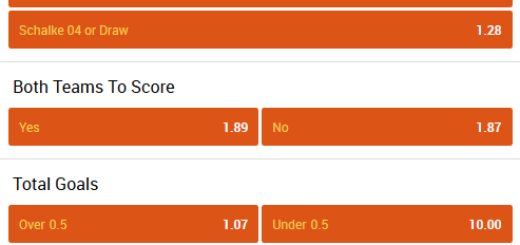
| Both Teams to Score | I target fixtures where both sides average >1.3 goals and the defensive record is poor. |
| Correct Score / Props | I use probability-weighted staking on common scores like 1-0 or 2-1 and player-based props. |
- Match Result
- Over/Under
- Each Way
- Both Teams to Score
- Correct Score / Props
Match Result Bets
I focus on the 1X2 market, checking recent form, injuries and home advantage; for example, when a top-6 team faces a mid-table side missing key defenders, I often find odds between 1.8-2.8 that offer value. I size stakes against your bankroll and prefer backing draws only when underlying metrics (shots on target, xG) suggest parity.
Over/Under Bets
I typically use the 2.5 goals line as a baseline and watch team averages-if both teams average >1.3 goals per match I lean over; conversely, low-shot duels push me under. I factor injuries to attackers and recent defensive form, seeking lines where the market misprices likelihoods by 5-10%.
I dig deeper with stats: I compare last six-match xG, average shots in the box and set-piece frequency; when both teams produce >1.5 xG per 90 combined, my hit-rate for over 2.5 improves significantly. I also monitor schedule congestion-midweek fixtures often lower intensity and goal totals, which changes my staking and whether I take live cash-out opportunities.
Each Way Bets
I use each way chiefly on outrights and long-shot markets, splitting stakes between win and place to capture smaller returns while limiting full loss. For example, on a long-shot top-scorer at 40/1, an each-way structure pays if they finish in the bookmaker’s top 3-5 places; I only play when quoted place terms and fractions give positive expected value.
I check the place fraction (1/4 or 1/5) and the number of places offered by the bookie-these rules determine profitability. I model scenarios where a player finishes 2nd or 3rd and compare the implied each-way payout to my estimated probability; when the place odds exceed fair value I increase stake, otherwise I pass or use small, speculative bets.
Thou always verify bookmaker terms for place fractions and tie-break rules before staking.
Essential Betting Tips
I focus on research, disciplined bankroll management and spotting value rather than chasing favourites; I track form over the last 5 matches, home/away splits and head-to-head trends, and I advise you to set unit sizes and loss limits.
- Research teams and players
- Injuries and suspensions
- Bankroll management
- Odds comparison
- Value spotting
Perceiving patterns like a steady home win rate or recurring defensive errors helps me find smarter bets.
Researching Teams and Players
When I research I dig into last 5 matches, xG numbers, minutes played and transfer impacts; I compare how a striker’s goals per 90 (e.g., 0.6 G/90) and a midfielder’s key passes affect outcomes, and I use sources like club reports and statistical sites so you see why a team with consistent form is worth backing.
Keeping an Eye on Injuries
I monitor official club updates, physio notes and sites like Transfermarkt for absences, noting minutes missed, return dates and whether backups have started games; you and I both know a missing starter can flip a match dynamic, so I flag any long-term or late fitness doubts.
I also track the impact: if a player contributes over 30% of a team’s goals or assists, I treat their absence as a major factor, adjust stake size or avoid markets like match winner, and I check whether the club tends to compensate tactically-for example, using set-piece specialists or changing formation-to gauge real effect.
Understanding Betting Odds
I convert odds to implied probability to compare with my estimates: for decimal odds the formula is 1/odds (e.g., 4.00 => 25%), and for fractional odds like 5/1 the implied chance is 1/(5+1)=16.67%; you should use these conversions to spot mismatches between your model and the market.
For deeper analysis I quantify value: if my model says a team has a 40% chance but the market implies 30%, that’s a value bet; I often size stakes using a fraction of the Kelly suggestion to manage volatility and you can apply the same approach to maintain long-term edge.
Step-by-Step Betting Guide
| Step | Action |
|---|---|
| 1 | Set a bankroll and stake plan (1-2% per bet typical) |
| 2 | Pick a licensed bookmaker with competitive odds |
| 3 | Do match-level research: form, xG, injuries, head-to-head |
| 4 | Place bets using value criteria; avoid large parlays |
Setting Your Budget
I set a clear bankroll and limit myself to 1-2% per single bet; for example, with a £500 bankroll I stake £5-£10. I separate funds for pre-match and live bets, keep a 10% reserve for variance, and treat the bankroll as entertainment money so you don’t chase losses.
Choosing a Betting Platform
I compare bookmakers by odds margin, markets, and regulation: I use Pinnacle for low margins and UKGC-licensed sites like bet365 for promos and in-play. I check max limits, payment speed, and if the site offers live stats or streaming to support fast decisions.
I also use odds aggregators like Oddschecker to spot discrepancies: margins often range from 2-6% between top firms, so a consistent 0.5-1% edge on odds compounds. I avoid platforms with long withdrawal delays (more than 3-5 days) and read promo T&Cs to avoid sticky rollover requirements.
Placing Your Bet
I always confirm market type and implied probability before staking, then size the bet per my plan-single bets get preference and I typically avoid accumulators larger than three legs. For example, if Man City is 1.50 and I value them at 1.40, I stake within my 1-2% rule and log the wager for review.
When I go live, I watch momentum, substitutions, and xG in real time and avoid cash-outs unless they lock a positive expected value. For concrete sizing, I use a half-Kelly approach when I quantify an edge: with a £500 bankroll and a 5% edge at even odds I’d size around 1.25-2.5% rather than overexposing myself.
Factors to Consider When Betting
I focus on form, injuries, fixture congestion and market moves, checking last 5 and last 10 matches plus head-to-heads to spot value. I flag suspensions and fatigue, and I weigh stats against context. The edge comes from combining numbers with situational insight.
- Form and Performance
- Home and Away Statistics
- Managerial Influence
Form and Performance
I track the last 5 matches and 10-game runs, weighing goals, shots on target and xG trends; when I see a team with 4 wins from 5 and rising xG while their opponent has a winless 6-game run, I size stakes differently.
Home and Away Statistics
I split home and away form, comparing points per game, goals scored and conceded; I pay attention when a side averages a noticeably higher PPG at home versus away and label home advantage or away fragility accordingly.
I dig deeper into venue effects by checking head-to-heads and travel schedules: if Team A has won 8 of their last 10 home league matches versus Team B’s 2 away wins in 10, I treat probabilities differently. I also factor in midweek European games and short turnarounds-playing 3 matches in 7 days often lowers expected intensity and increases turnover risk.
Managerial Influence
I assess recent appointments, tactical shifts and substitution patterns; a new manager bounce in the first 6 matches or a switch from high press to low block changes goal expectations and market value in ways I exploit.
I analyze how coaches alter set-piece frequency, defensive lines and rotation: for example, if a manager averages early substitutions to chase games or has a 60% win rate in targeted fixtures, I adjust my models. I also monitor public statements and lineup leaks, since tactical intent often shows before odds fully reflect it.
Pros and Cons of EPL Betting
| Pros | Cons |
|---|---|
| High liquidity and many markets on match winner, HT/FT, and player props. | Bookmaker margins often 4-8%, reducing long‑term returns. |
| Data-driven edges using xG, expected assists, and form metrics. | Information asymmetry: sharp bettors and syndicates move lines quickly. |
| Live (in‑play) markets let you exploit momentum shifts. | In‑play increases variance and impulse betting risk. |
| Promotions and free bets can boost bankroll when used selectively. | Bonuses carry wagering requirements and limits on withdrawal. |
| Diverse bet types let you tailor risk (accumulators, singles, Asian lines). | Complex markets lead to mistakes and model overfitting. |
| Ability to specialize-I can focus on teams, managers, or player props. | Sustaining ROI is hard; public seasons shift quickly (transfers, injuries). |
| Transparent schedules make planning research and staking easier. | Time investment: thorough analysis can take hours per matchweek. |
| Excitement and engagement when your research pays off. | Risk of gambling harm if staking and limits aren’t enforced. |
Benefits of Betting
Often I find that disciplined betting lets you convert research into profits: spotting a value line-say odds of 4.0 when your model estimates a 33% chance-turns a £10 stake into £30 if correct. You gain from promotions, liquidity for big stakes, and specialized markets; for example, focusing on set‑piece stats or a manager’s away record can deliver consistent edges across a 38‑match season.
Risks and Drawbacks
I know that losses are part of the game: margins of 4-8% mean you need a higher hit rate to beat bookies, and variance can wipe short‑term profits. You face rushed in‑play decisions, bonus strings attached, and the real danger of chasing losses or addiction if you don’t set firm rules and limits.
Practically, I use strict bankroll rules to manage those risks: fixed‑stake or percentage staking, stop‑loss limits, and occasional Kelly sizing-if I estimate a 55% edge on an even‑money bet, Kelly suggests about a 10% stake of my bankroll. I also recommend using self‑exclusion and deposit limits if you notice impulsive betting, since controlling exposure beats trying to recover losses through riskier wagers.
Common Mistakes to Avoid
Chasing Losses
After a losing run I don’t try to win it back with bigger stakes; doubling down often becomes a Martingale nightmare – starting at £10, six consecutive doubles puts the next stake at £320 and total outlay at £630. I set a strict stop-loss and predefined stake unit, so one bad week doesn’t blow my bankroll or force reckless bets.
Ignoring Research
If I skip form, xG and injury updates I make avoidable errors; I scan the last six matches for xG, shots on target and head-to-head trends, then factor travel and midweek rotation. For example, a side averaging 1.8 xG versus one at 0.9 suggests value until key starters are rested.
In practice I use sources like FBref and club injury reports and wait for the starting XI when possible; two missing starters can turn a 1.5-goal handicap into a toss-up. I compare my read to market odds-if the market hasn’t adjusted for rotation, you can often find value or simply pass.
Over-Betting
I control stake size by risking 1-3% of my bankroll per bet; with a £1,000 bank that means £10-£30, keeping variance bearable and my decision-making clear. When I exceed that range I notice tilt, so I stick to flat units or preset percentages.
When I have a calculated edge I often apply fractional Kelly (25-50% of Kelly) to size stakes while capping at 5% of bankroll; this balances growth with protection against long losing streaks that can destroy capital and confidence.
Conclusion
Hence I urge you to focus on squad form, injuries, head-to-heads and value bets while I stress disciplined bankroll management; combine stats with intuition, avoid impulse stakes, and use reputable tips and in-play updates so your chances improve-I will keep sharing clear, practical EPL betting tips to support your smart decisions.