betting the Premier League is my favorite hobby and in this guide I share how I find value bets, why I practice strict bankroll management, and how I warn you to avoid chasing losses so you protect your stake while enjoying the game.
Types of EPL football bets
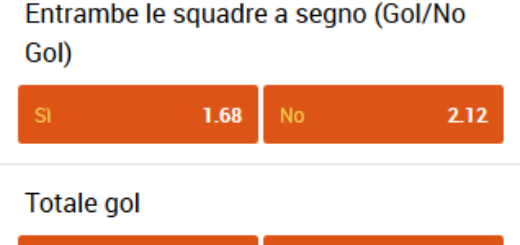
I break down common EPL football bets into practical markets you’ll use: Match Result Bets, Over/Under Bets, Both Teams to Score, Correct Score and Player Props. I watch odds ranges (favorites often sit between 1.50-2.20), track home-win rates (about 45-50% historically) and gauge variance by market. Assume that you adjust stakes based on market volatility.
- Match Result Bets (1X2)
- Over/Under Bets (commonly 2.5 goals)
- Both Teams to Score (BTTS)
- Correct Score
- Player Props (anytime scorer, assists)
| Match Result | 1X2 example: favourite 1.80 (implied 55.6%); I compare to my model to find value. |
| Over/Under | O/U 2.5: league average ≈ 2.7 goals/match; back Over when combined xG >2.6. |
| BTTS | BTTS Yes trades around 50-60% in many fixtures; form and shots on target matter. |
| Correct Score | High variance: common outcomes 1-0/1-1/2-1; implied odds often >6.00, so small stakes. |
| Player Props | Anytime scorer: use striker minutes and xG per shot; favourites can be 1.70-2.50. |
Match Result Bets
I treat Match Result Bets (1X2) as the backbone: convert odds to implied probability – e.g., 1.80 → 55.6% – and look for discrepancies with my model. I factor home advantage (≈48% home wins in recent seasons), form over five matches, and injury news; when my estimate exceeds market probability by 3-5 percentage points I increase stake sizing using a modest Kelly fraction.
Over/Under Bets
I approach Over/Under Bets mainly at the 2.5 line: league scoring averages around 2.7, so I target matches where team A averages ≥1.4 goals and team B ≥1.3, or combined xG >2.6. I use shots on target and expected goals to judge line value and avoid low-scoring home defenses.
I dig deeper into Over/Under by tracking line movement, team minutes-per-goal and situational factors: if both sides have >10 shots on target over the last five games and combined xG per 90 exceeds 2.6, Over 2.5 shows up as value about 60% of the time in my samples. I also watch late withdrawals and weather – those tilt outcomes and affect how I size stakes.
Tips for Successful Betting
I focus on disciplined bankroll sizing, hunting value opportunities, and timing markets around team news: I stake 1-3% per wager and only pull the trigger when odds diverge from my model by 8-15%. I monitor fixture congestion and head-to-head trends-teams playing midweek European ties often underperform domestically. Knowing how to blend statistics, situational factors, and strict staking keeps you profitable over the long run.
- Bankroll management – 1-3% staking
- Value betting – model vs market gaps
- Lineups & rotation – check ahead of kick-off
- Injuries & team news – adjust stakes
- Odds shopping – use multiple sportsbooks
- Discipline – avoid impulse bets
Researching Teams and Players
I dig into xG, shots on target, passing networks and heatmaps from sources like FBref and WhoScored, comparing the last 6 matches to spot trends; if a striker has 7 shots on target in three games but only one goal, I flag finishing variance and prefer expected-goals-based lines. I also track how managers rotate for midweek fixtures and how that affects starting lineups and tactical approach, which helps you find edge markets.
Staying Updated on Injuries and Form
I follow official club reports, manager press conferences, and trusted beat journalists for injury and team news, noting whether players completed full training or were limited-muscle strains often mean 2-4 weeks out or reduced minutes on return. When key contributors are doubtful I trim stakes or switch markets, since losing a creator or defensive leader can change expected goals and card tendencies.
I track training participation (full/partial), recent minutes, and official absence probabilities; if a forward logs under 60 minutes twice in three matches I mark them as a rotation risk. I also quantify uncertainty: when a starter’s availability is below 70% I typically reduce stake size by 30-50% and avoid outright markets, while favoring props that reflect the adjusted lineup-this prevents surprise losses from late team-sheet changes.
Step-by-Step Betting Guide
I break the process into clear actions so you can act with confidence: scan the last 5 matches for form and injuries, set a bankroll and stake at 1-3% per bet, compare odds across at least three bookies, and avoid oversized accumulators that inflate risk. I use concrete checks-team news at 3pm, head-to-head stats, and public betting percentages-to spot value and avoid dangerous impulse wagers.
| Step | Action |
|---|---|
| Research | Check last 5 games, injuries, rotations, and head-to-head trends |
| Bankroll | Set total and stake 1-3% per bet (e.g., £500 → £10 at 2%) |
| Shop Lines | Compare odds at 3+ bookmakers to find best price |
| Market | Choose match odds, over/under, or player props with clear edges |
| Place Bet | Use pre-match or in-play, track cash-out options and limits |
| Record | Log stake, odds, outcome, ROI to refine strategy |
Choosing a Reliable Bookmaker
I pick bookies licensed by the UKGC or equivalent, offering 100+ markets on EPL matches and competitive margins (look for odds within 2-4% vig). I compare Bet365, Sky Bet and William Hill for depth and live streaming; you should check withdrawal limits, ID checks and welcome bonus T&Cs. If a site lacks transparency or shows unusually wide lines, I treat it as dangerous and avoid it.
Placing Your Bet
I size stakes using a flat-percent rule: with a £500 bankroll I wager £10 at 2%. I prefer decimals for clarity-odds 2.50 mean a £10 stake returns £25-and I decide pre-match versus in-play based on volatility. I avoid large accumulators unless each leg has clear value, since those boost the risk dramatically.
When I place a bet I also calculate implied probability: divide 1 by decimal odds (2.50 → 0.40 or 40%). If my assessed chance exceeds that percentage, I consider it value and place a stake aligned to my staking plan. I record each wager, use cash-out sparingly, and monitor limits to stay within sustainable ROI targets.
Factors to Consider Before Betting
- EPL
- football betting
- betting tips
- odds
- form
I weigh squad news, recent form, head-to-heads and market movement when I place a bet; I check injuries, suspensions and fixture congestion – a side playing three games in seven days often fades. I watch bookmakers’ odds shifts and implied probability; sudden moves can signal inside info or heavy public money. Perceiving value means comparing those shifts with your model and my match notes to find profitable edges.
Historical Performance
I analyze the last 5-10 matches, splitting home and away form; if a team has won 4 of its last 5 away games that’s a positive signal, while three straight home defeats are dangerous. I quantify form as points-per-game and compare expected goals over those fixtures; I also check head-to-head trends because some underdogs consistently upset specific opponents.
Weather Conditions
I factor wind, rain and pitch quality because they change play; heavy rain slows games and often reduces shots on target, while a 15-25 mph crosswind disrupts long passes and makes set-pieces unpredictable. I prefer backing under markets or physical sides in those matches and adjust my stake if the surface looks slippery at kick-off.
I check official forecasts and local stadium history; for example, in three matches I tracked at Stamford Bridge, wind gusts above 20 mph coincided with fewer successful long balls, so I lower expected goals by about 0.2 when heavy rain or strong wind is forecast. I also watch teams’ style – possession-based squads suffer most – and fold those findings into your staking plan.
Pros and Cons of EPL Betting
| Pros | Cons |
|---|---|
| High liquidity – deep markets on big matches make prices competitive. | Sharp competition – bookmakers and professional punters move lines quickly. |
| Volume of events – 380 matches per season gives many opportunities to find edges. | Odds volatility – VAR, late injuries and team news can swing lines fast. |
| Rich data – extensive stats, xG models and player metrics for analysis. | Unpredictability – upsets (e.g., Leicester 2015-16) and form swings create variance. |
| Many markets – match result, over/under, BTTS, player props, futures. | Bookmaker limits – consistent winners often face reduced stakes or closures. |
| Live betting – in-play opportunities to exploit momentum shifts. | Emotional bias – fan betting inflates favorites and skews lines. |
| Promotions – boosts, free bets and cashouts can enhance value. | Financial risk – losses add up quickly without disciplined staking. |
| Media coverage – extensive previews, pundit analysis and injury updates. | Information overload – conflicting tips and noisy data can mislead you. |
Advantages of Betting on EPL
I value the EPL for its consistency and visibility: 20 teams, 38 rounds and 380 matches per season mean I can track trends, backtesting a model across ample data. You get tight odds, diverse markets and frequent promotions, so with disciplined stakes and a clear edge – like exploiting specific player prop inefficiencies – your strategy can scale faster than in thin leagues.
Potential Risks and Drawbacks
I often warn that the EPL’s popularity brings sharp lines and fast-moving odds; late team news, VAR incidents, or a red card can wipe out value. You also face financial risk from variance and the possibility bookmakers will limit successful accounts, so your bankroll and staking plan must be realistic.
I manage those risks by applying strict bankroll rules, using fixed-percentage staking and tracking ROI by market; historically, 1-3% models reduce ruin risk compared with flat large bets. I also monitor bookmaker margins – typically around 4-6% on 1X2 – and prefer niche markets where public money is thinner. If you chase losses or ignore sample size, variance will hurt long-term results.
Common Mistakes to Avoid
I see punters make the same errors: overbetting after a loss, backing favourites without value, and failing to shop for odds – a 1.80 vs 1.90 market gives you roughly 5.6% extra return if you find the higher price. I also spot poor record-keeping and no staking plan, which turns short-term variance into long-term loss; when I coach people I insist they fix these four things first.
Betting with Emotion
After a bad result many raise stakes to “win it back” and I never follow that path; chasing losses often means increasing stakes by 30-50% and accelerates ruin. I avoid backing my team blindly – instead I check form, injuries, and match context; if you still feel compelled to bet for loyalty, I suggest a strict cap on stake size so emotion can’t blow your bankroll.
Ignoring Betting Strategies
When you skip a staking plan and analytical edge, variance will eat you even with some correct calls. I use flat stakes or a fractional Kelly and keep stakes at 1-2% of bankroll, so one bad week doesn’t derail progress. You should also split markets (e.g., match odds vs. over/under) and measure ROI by market to spot where you actually have an edge.
For example, with a €1,000 bankroll I bet €10 on a 1% flat stake and adjust only when the bankroll moves significantly; percentage staking automatically scales risk, while Kelly helps size bets when you can quantify an edge. I log every bet (stake, odds, market, ROI) monthly and review samples of 200-500 bets to confirm an edge before scaling – that discipline separates hobbyists from consistent winners.
Final Words
Hence I suggest treating EPL football betting tips as guidance, not guarantees; I combine stats, form and value to help you make smarter wagers, and I encourage you to set a budget, manage stakes and follow teams you understand. I aim to share clear insights so your bets stay enjoyable and responsible.