Betting tips for EPL
Most bettors chase big wins, but I focus on data-driven strategies, sensible bankroll management, and how you can spot value to protect your money; I’ll guide you to avoid dangerous impulsive bets while building steady returns and making your matchday choices more confident.
Understanding Types of Bets for EPL
I explain common EPL wagers so you can choose what fits your style: Match Result, Over/Under, Handicap, Both Teams To Score, and Accumulator. I often compare implied odds to form – for example, a 6/1 underdog when expected goals (xG) and home advantage suggest a 30% chance is a clear edge. Perceiving variance and edge helps you size stakes and manage risk.
- Match Result (1X2)
- Over/Under (total goals)
- Handicap (Asian/European)
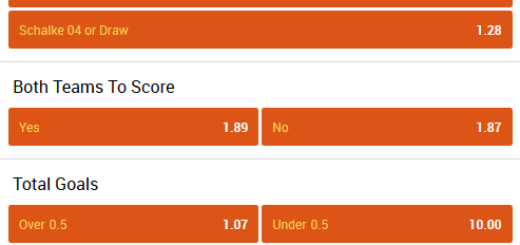
- Both Teams To Score (BTTS)
- Accumulator (multimatch)
| Match Result | Straight win/draw/win; low variance on favourites, look for value in underestimated teams. |
| Over/Under | Common lines: 0.5, 1.5, 2.5; use xG and team averages to predict totals. |
| Handicap | Asian and European lines shift payout vs margin; e.g., Asian -1 is a push on a one-goal win. |
| Both Teams To Score | Yes/No market; good when both sides average >1.2 goals and defensive metrics are weak. |
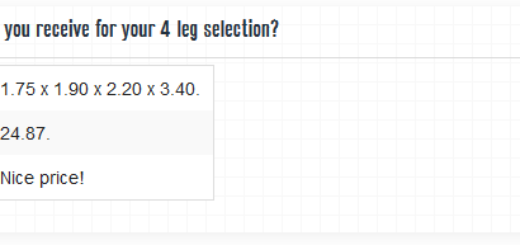
| Accumulator | Combines multiple legs; odds multiply so returns rise fast but with high variance. |
Match Results
I treat Match Result (1X2) as the foundation: back a straight win when odds imply lower probability than my model. I often compare bookmaker implied probability to team form and xG; for example, a 2.50 favourite with poor away form and injuries might be worth a smaller stake on the opponent at 3.40. I size stakes conservatively on tight favourites and increase when I find >20% value.
Over/Under Bets
I use Over/Under lines to exploit goal-rate mismatches: betting Over 2.5 when both teams average >1.6 goals and concede late often makes sense. I check head-to-heads, minutes-per-goal, and set-piece rates; when those indicators align, odds around 1.70-1.90 can offer fair value.
I dive deeper into lines by splitting exposure: for tight games I prefer 1.5/2.5 double lines or Asian totals to limit downside. I track stats like average combined xG per match and red-card frequency; if two teams average a combined xG of 3.0 and have weak defensive records, Over 2.5 or an Asian Over 2 is appealing, but volatile fixtures (cup ties, heavy rotation) raise risk.
Handicap Betting
I use Handicap markets when favourites are stronger but price-impaired; Asian handicaps remove the draw and let me target margin. I often take an away favourite at Asian -0.5 when their home opponent concedes late and has poor form, or -1 if I expect a clear two-goal margin. I size according to certainty and implied bookmaker margin.
I prefer Asian lines for reduced variance: Asian -0.25 splits stake between 0 and -0.5, offering partial protection, while -1 gives a push on a one-goal win. I analyze expected goals, shot quality, and substitution patterns; when a team averages 2.0+ non-penalty xG and faces a side conceding 1.6 xG, Asian -0.5 or -1 can provide positive edge if odds reflect less than my estimated win probability.
Essential Betting Tips
I focus on EPL markets where I can quantify edges: form over the last 5 matches, xG differentials, and fresh injury/lineup news. I shop odds across sites, track bookmaker movements and avoid markets with low liquidity. I prefer match odds, over/under and BTTS where data supports a price edge. Any bet without clear value and a pre-defined stake doesn’t make my ticket.
- Compare odds across multiple bookmakers
- Use xG and last 5 matches for form
- Prioritise markets with demonstrable value
Do Your Research
I check starting lineups, minutes played in the past 5 matches, fixture congestion (three games in seven days) and travel impacts; for example I downgrade teams missing key starters or with a 60% home win rate only in ideal conditions. You should cross-reference club feeds and injury trackers, and watch how the market reacts to news within 90 minutes of kickoff to spot value shifts.
Follow the Experts
I follow reputable statisticians and tipsters who publish transparent records, preferring sources with at least a 6‑month sample and 200+ tips to judge variance. You can use specialist sites like Opta/Understat for data and trusted reporters for lineup intel; I weigh consensus from several experts rather than a single voice and flag tips that lack clear reasoning or edge.
I vet experts by checking long‑term ROI, strike rate and sample size-aim for consistent positive ROI across 300+ bets or clear methodology. I also track which analysts are stronger in specific markets (e.g., set pieces, overs) and allocate weight accordingly; when three independent sources converge on a line shift I treat that as higher confidence.
Manage Your Bankroll
I size stakes at a flat 1-3% of my current bankroll, so with a £1,000 pot I bet £10-£30 per edge. You should avoid chasing losses, set a weekly staking limit, and use units to keep discipline. I use simple flat or proportional staking rather than emotional sizing to survive variance and protect capital.
I keep a spreadsheet logging stake, odds, implied probability and ROI, and I adjust my unit after a 20% bankroll move – up or down. I sometimes apply a fractional Kelly (e.g., 25% Kelly) for larger edges, but I cap any single bet at 5% of bankroll to limit drawdowns and preserve long‑term playability.
Step-by-Step Betting Guide
| Step-by-Step Actions | |
| Choose Site | Check license, odds, fees, and reputation (e.g., Bet365, William Hill). |
| Register | Complete KYC, set limits, enable 2FA. |
| Deposit | Use debit card or e-wallet; claim welcome offers after reading T&Cs. |
| First Bet | Stake 1-2% of bankroll on simple markets (match result, over/under). |
| Manage | Track bets, withdraw profits, adjust staking after 20-50 bets. |
Choose a Reliable Betting Site
I pick sites licensed by the UK Gambling Commission or Malta Gaming Authority, favoring brands like Bet365 or William Hill; I check odds margin (aim under 5%), payout speed, live betting features, and user reviews so you get transparent pricing and reliable withdrawals.
Register and Set Up Your Account
I complete KYC quickly by uploading a passport or driving licence, enable 2FA, and set deposit/loss limits so your bankroll management starts strong; I also read welcome-bonus T&Cs to avoid wagering traps.
I photograph my ID and proof of address (utility bill), expecting verification in 24-72 hours, then fund with a debit card or e-wallet; I typically set an initial limit like £50/week and link responsible-gambling tools to my account for safety.
Make Your First Bet
I start conservatively by staking 1-2% of my bankroll on simple markets-if my bankroll is £200 I’d risk about £2-£4-compare odds across sites and avoid complex futures until I’ve tracked at least 20 bets.
I monitor line movement and use an odds-comparison tool (e.g., Oddschecker) to find value; I research team form (last 5 games), injuries, and head-to-head stats before confirming a bet so your first wagers are evidence-based, not impulsive.
Key Factors to Consider
I focus on form, injuries, venue and weather when I place EPL bets: I track the last five matches, head-to-heads and lineups, and weigh odds against expected goals (xG) trends and defensive errors. Team Form, Injury Reports, Home vs. Away Performance, Weather Conditions are my checklist. Knowing I adjust stakes when a key starter is out or a side has a 70% home win rate.
- Team Form
- Injury Reports
- Home vs. Away Performance
- Weather Conditions
Team Form and Injury Reports
I watch the last five league games and compare xG, goals conceded and clean sheets: if a team concedes 10 goals in five matches I lower my stake. I scan club sites and journalists for lineup leaks and flag any injury to strikers or centre-backs, because losing a top scorer typically shifts expected goals by 0.3-0.6 per match in my models.
Home vs. Away Performance
I split home and away metrics: a team with a ~70% home win rate versus ~40% away wins influences whether I back them on short lines. I factor travel, fixture congestion and pitch dimensions, and I prefer backing home sides with a positive xG differential at their ground.
When I dig deeper I check referee tendencies and substitution impact: some refs average 4.5 cards at specific stadiums, and a “super sub” who averages 0.25 goals per 60 minutes can swing late-clock markets-so I size live bets knowing those patterns often decide tight matches.
Weather Conditions
I review forecasts for wind over 15 mph, heavy rain or frozen surfaces since wet pitches reduce long passes and increase set-piece chaos. I cut stake sizes when models show goal probability dropping by >20% in adverse weather, and I flag matches likely moved to artificial turf as that favors quicker passing teams.
For extra precision I match weather to styles: teams relying on aerial duels (>20 aerials/game) suffer most in storms, while low-block sides gain advantage in heavy rain; I also use local airport and stadium microclimate data to refine live odds adjustments and protect your bankroll.
Pros and Cons of Betting on EPL
| Pros | Cons |
|---|---|
| High liquidity in major matches | Short-priced favorites reduce value |
| 380 fixtures per season = many opportunities | Large variance and streaky results |
| Extensive stats, opta data and scouting | Bookmaker margins typically ~4-6% |
| Active in-play markets for live edges | In-play volatility can amplify losses |
| Numerous markets (cards, corners, xG) | Sharp limits and account restrictions |
| Plenty of public information for research | Injury/rotation risk in congested schedules |
| Promotions and boosted odds from sites | Promos can create impulsive betting |
| Ability to specialize (teams, stats, models) | Emotional bias when backing your club |
Pros of Betting
I find the EPL ideal for systematic approaches: with 380 matches per season and rich Opta/xG data, I can model outcomes and target value bets where odds lag injuries or team rotation; for example, I often exploit >5% mispricings around midweek rotation games to secure +EV plays that compound over a season.
Cons of Betting
I’ve seen how volatility bites: even with good models you can face long drawdowns-I’ve experienced a 30-40% bankroll swing across a bad month-so losses and emotional tilt are real risks, and bookmakers’ typical 4-6% margin erodes long-term returns.
More concretely, fixture congestion (e.g., heavy December schedules) causes unexpected rotation and unpredictable outcomes, match limits often restrict stakes to under ~£1,000 for sharp markets, and addictive patterns or chasing can wreck discipline; I mitigate this with strict staking rules, cooling-off periods, and journaled records of every bet.
Responsible Gambling Tips
I treat EPL betting as entertainment and enforce rules: a fixed bankroll (I often use £50/week), automatic deposit limits, and quick access to self-exclusion tools. Evidence suggests problem gambling affects around 0.5-1% of adults, so I set numeric stop points and cooling-off periods after streak losses or emotional betting. Assume that you plan stakes and time limits before you log in.
- Set numeric caps with deposit limits
- Use site self-exclusion or timeout tools
- Avoid chasing losses after consecutive defeats
- Keep a visible bankroll ledger
Set Limits
I establish exact figures: a weekly budget (for example £50), a per-bet stake cap (say £10), and a monthly loss ceiling; many operators let you lock these in, and I review my account weekly to ensure I stick to the plan.
Know When to Walk Away
I stop when patterns emerge-three losing bets in a row, emotional betting, or betting after drinking-and I trigger a 24-hour cooldown; studies link chasing losses to larger long-term deficits, so I avoid impulse recovery wagers.
I watch personal triggers closely: if I bet to relieve stress or after a bad day I enact a timeout or self-exclusion; one example-after losing £120 over five days I used a seven-day exclusion, which halted further loss and let me reassess strategy calmly.
To wrap up
Taking this into account, I advise focusing on form, injuries, and head-to-head trends, managing your bankroll, and avoiding bets driven by bias; if you compare odds and shop around, you give yourself better value and I hope your betting stays disciplined and enjoyable.