What bets to place on the English Premier League on October 18, 2025
Most of your betting edge on 18 October 2025 will come from pre-match research; check team news and injuries and monitor key absences. You should favour single-match bankers on in-form favourites but seek value with underdog handicaps and BTTS markets where lines misprice attacking sides. Manage stake size, set clear limits, and be wary of late news or adverse weather that can flip probability.
Understanding the English Premier League Betting Landscape
Overview of the Premier League
You deal with a 20‑club competition playing 38 matches each, massive TV rights and global audiences that distort market prices; you’ll see short odds on top clubs and inflated prices for promoted sides, so your edge comes from spotting mispriced lines and exploiting fixture quirks rather than backing famous names.
Popular Betting Types
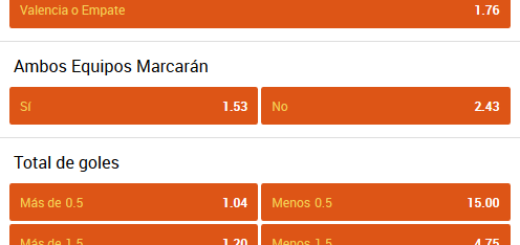
You’ll commonly use Match result (1X2), Over/Under, Both Teams To Score (BTTS), Correct score and Accumulators; each has distinct volatility and house margin, so you should size stakes to implied probability and avoid overexposure to long-shot accumulators.
- Match result (1X2) – straightforward, lower margins.
- Over/Under (Total goals) – useful when teams have contrasting styles.
- BTTS – good on open games with weak defences.
- Correct score – high variance, low hit rate.
- Perceiving Accumulators – combine value legs cautiously due to multiplying bookmaker margin.
| Match result (1X2) | Tip: back favourites vs relegation candidates when injuries absent. |
| Over/Under | Tip: use team xG and recent totals to detect unders/overs mispricing. |
| BTTS | Tip: target teams with >1.5 xGF and poor defensive records. |
| Correct score | Tip: limit stakes, favour 1–0/2–1 unless bookie offers huge value. |
| Accumulators | Tip: cap accumulator leg count and use cashout sparingly. |
You should convert bookmaker odds to implied probability—odds of 1.80 imply ~55.6%—then subtract the bookmaker margin to see true value; for midweek fixtures expect rotation, which inflates variance, and for outright markets use season‑long form and injury timelines rather than single match hype.
- Match result (1X2) – monitor market moves for late-team news.
- Over/Under (Total goals) – check head‑to‑head goal trends over last six meetings.
- BTTS – factor in clean sheet rates and expected goals.
- Correct score – use sparingly in in‑play value spots.
- Perceiving Accumulators – prefer small multi counts with independent-value legs.
| Match result (1X2) | Quick note: late team news shifts value quickly—act fast. |
| Over/Under | Quick note: injuries to key forwards/defenders change totals materially. |
| BTTS | Quick note: set‑piece weakness often signals BTTS value. |
| Correct score | Quick note: back conservative scores pre‑kick, attackive in‑play on momentum. |
| Accumulators | Quick note: bookmaker margin compounds—keep stakes tiny. |
Season Patterns and Trends
You’ll notice early‑season form consolidation by October, with stronger squads showing consistency; historically home advantage hovers around 46% wins, making home favourites a frequent, though not guaranteed, profit source when injuries and rotation are accounted for.
You should track fixture congestion—European midweeks and cup ties often cause weekend drops in league points—so target teams with deeper squads; promoted sides typically struggle defensively in the first half of the season, while established top clubs stabilize after 8–10 games, offering you clearer value windows and specific matchups to exploit.
Types of Bets to Consider
- Match Result
- Over/Under Goals
- First Goalscorer
- Accumulator
- Prop Bets
| Match Result | Target home/away form and recent head‑to‑head; seek value where implied probability diverges from your model. |
| Over/Under Goals | Use the 2.5 goals line as baseline; favour matches with clear attacking or defensive metrics. |
| First Goalscorer | Prioritise consistent starters and penalty takers; check substitution trends to avoid rotation risk. |
| Accumulator | Combine low‑risk singles with a few higher odds legs; keep stake small to manage high variance. |
| Prop Bets | Exploit niche markets like corners, cards and assists where bookmaker inefficiencies appear. |
Match Result Bets
You should compare recent form, home advantage and goal difference per match; if a team averages 1.8 points per game at home against opponents averaging under 1.0, backing the home win can offer clear value. Monitor lineup news and bookmaker implied probabilities to spot mismatches and favour bets where your model shows a >5% edge.
Over/Under Goals Bets
Use team averages and expected goals (xG) to judge lines: matches where both sides average >1.6 xG per 90 often clear the 2.5 threshold, while low‑xG fixtures lean under. Compare bookmaker lines across sites and watch injuries to strikers or keepers.
Delve into shot locations, set‑piece frequency and pressing intensity to refine your over/under calls: teams averaging >12 shots and >4 big chances per game push totals up, whereas fixtures with conservative managers and away teams that sit deep depress totals. In‑play, follow early possession and shot metrics—if both teams register multiple shots inside the first 20 minutes, the live over market often drifts.
First Goalscorer Bets
Pick proven starters who take penalties or play full 90s; a striker with regular starts and penalty duty has materially higher first‑goal chances than a rotation option. Check recent substitution patterns and the manager’s tendency to keep attackers on the pitch past the 70th minute.
Factor in set‑piece roles and match tempo: a forward who wins a high share of aerial duels and faces a defence conceding many corners increases first‑scorer probability. Use odds movement—early shortening suggests insider news or heavy backing—then size stakes accordingly and consider small live stakes if the player is on the bench early.
Accumulator Bets
Stack low‑risk singles into short accas of 3–5 legs to balance return and failure probability; avoid long 8+ leg trebles that collapse on one upset. Use a small fixed stake and treat accas as speculative, keeping exposure under a fixed percentage of your bankroll.
Watch for correlated events—backing Leicester to score and then taking a Leicester win doubles correlation risk and inflates implied probability; instead mix independent markets to preserve variance. Use bookmaker boosts selectively and check maximum payout limits; if one leg becomes heavy favourite, consider cash‑out to lock profit or reduce downside.
Prop Bets
Target niche markets where your research gives edge: corners for teams that cross frequently, cards in derby fixtures, or assists by primary playmakers. Props often carry higher margins but also present mispricings born from limited betting volume—exploit those selectively.
Build simple models for props: for corners use average crosses and opponent wing defence metrics; for cards use fouls per game and referee card rates. Historical sample sizes matter—avoid overfitting one match and instead require consistent signals over 5–10 games before staking larger sums.
Thou cap your stakes and keep meticulous records so you can measure ROI, control variance and protect your bankroll.
Key Factors Influencing Betting Decisions
- Team Form
- Injuries & Suspensions
- Home/Away Advantage
- Weather Conditions
- Head-to-Head
- Referee & VAR
Team Form and Performance
You should weigh recent runs heavily: a side on a five-match winning streak that has scored 12 goals in those games and kept three clean sheets is a different betting proposition to a team with one point from four. Check underlying metrics like xG and shots on target — teams outperforming xG often regress, while those underperforming can be due for better results.
Injuries and Suspensions
Absences of a top scorer or a first-choice centre‑back materially change match dynamics; if a team loses a player responsible for 30–40% of attacking output, you should downweight bets on high-scoring outcomes and consider defensively biased markets.
Dig into official club updates and training reports the day before kickoff, and monitor expected return dates. For example, losing a creative midfielder who averages 2 key passes per match often reduces team xG by a noticeable margin; conversely, a suspended enforcer can open space for opponents. Use squad depth charts to decide whether replacements are like‑for‑like or a tactical downgrade.
Home/Away Advantage
Home sides in the Premier League historically win around 46% of matches, so you should favour home bets where form lines are comparable; check travel distance, midweek European fixtures and attendance figures for additional nuance.
Analyse specific stadium effects: teams that press aggressively away tend to drop off at noisy, compact grounds where clearances and aerial duels favour the hosts. A side playing its third game in seven days away from home often shows decreased intensity after the 60th minute, producing more late goals against them — factor that into both match and in‑play markets.
Weather Conditions
Wind and heavy rain reduce accurate crossing and long passes, pushing matches toward lower-scoring outcomes; if forecast models predict gusts over 25 km/h or persistent rain, lean towards under markets and fewer total shots.
Examine the club’s pitch type and drainage history: older, worn surfaces amplify the effect of rain, slowing play and benefiting teams that favour direct, physical styles. Extreme wind disrupts goalkeepers’ long distribution and can increase defensive errors, so you might prefer Asian handicap lines when conditions are adverse.
Head-to-Head Statistics
Recent meetings reveal tactical mismatches: if Team A has beaten Team B in five of the last six encounters while conceding one goal per game, you should favour markets that reflect psychological and stylistic edges rather than league position alone.
Break down head‑to‑head by venue, season phase and managerial matchups: a manager with a poor record against a rival may alter formations, leading to predictable patterns such as compact defence or early substitutions. After weighting form, injuries, venue and conditions you must adjust stake sizes and market selection to reflect the net edge.
Tips for Successful Betting
- Research: use xG, home/away form and injury updates.
- Bankroll management: fixed-percentage staking 1%–5%.
- Odds monitoring: compare bookies and watch market moves.
Research and Analysis
Scan expected goals (xG), last six league matches and head-to-heads; if a team averages under 0.9 xG away but concedes >1.6, you can target low-scoring markets or value under/over lines; check set-piece dependency—teams scoring >30% from set plays often change expected outcomes.
Setting a Budget
Fix a season bankroll, stake a clear percentage per wager (1%–5%), and separate funds for speculative bets versus steady singles; that keeps volatility manageable and avoids chasing losses.
Allocate money across time horizons: keep 60% for short-term singles, 30% for managed multi-bets and 10% for high-odds punts; reassess after 10–20 bets, log every stake, return and rationale, and apply a simple staking plan (flat or proportional) rather than doubling after losses.
Monitoring the Odds
Use two or three comparison sites plus bookie feeds to spot shifts—if the favourite shortens from 1.80 to 1.60 after team news, that signals market confidence; convert odds to implied probability to spot value mispricings.
Watch for sharp-money indicators: sudden shortening on low-visibility markets, big moves in the Asian handicap, or steam after injury reports; set alerts for 48 and 24 hours pre-match and monitor liquidity close to kick-off for in-play opportunities.
Timing Your Bets
Place some bets early (7–3 days out) to capture pre-release value, but delay others until team sheets or late injury updates—bookies often move most between 90 and 30 minutes before kick-off.
Exploit windows: early markets sometimes overvalue favourites after fixture congestion announcements, while late markets reflect confirmed absences; if you wait for the 60–30 minute window you can use in-play or cash-out options when volatility peaks.
Diversifying Your Bets
Mix singles (60%), doubles/triples (30%) and small accumulator punts (10%), include Asian handicaps and over/under markets to spread correlation risk; avoid stacking heavily correlated selections in one multi.
Adjust sizes by implied probability and correlation—don’t back both a team to win and the same team to fail to score in correlated markets; limit exposure to large accumulators and in-play gambles, and cap weekly speculative stakes. The safest approach is to cap accumulator exposure to no more than 5% of your bankroll per week.
Pros and Cons of Betting on the Premier League
| Pros | Cons |
|---|---|
| High fixture volume — 20 teams, 380 matches per season offers constant opportunities. | High variance — frequent upsets and unpredictable results create large short-term swings. |
| Wide market range: match odds, BTTS, over/under, player props and handicaps. | Bookmaker margin (overround) typically around 3–7%, eroding long-term returns. |
| Deep liquidity on favourites and major markets means stable odds and easy staking. | Smaller markets (player props) are thinner and often overpriced. |
| Extensive data (Opta, WhoScored, expected goals) supports quantitative models and value spotting. | Squad rotation and injuries, especially midweek, increase model uncertainty. |
| Live/in-play betting allows you to exploit momentum and react to match events. | In-play markets move fast; sharp traders and algorithms can quickly remove value. |
| Bookmaker promotions and free bets can boost ROI if used strategically. | Promotions often come with rollover terms and restrictions that limit real value. |
| Clear seasonal patterns (fixture congestion, cold-weather form dips) aid situational edges. | Psychological pitfalls — chasing losses and overbetting are common and costly. |
| Opportunity to specialise (set-piece teams, away underdogs) and build a niche edge. | Sharp syndicates and professional bettors dominate niches quickly, reducing edges. |
Pros of Betting
You gain access to constant opportunities across 380 matches per season, diverse markets and rich data sets like expected goals and injury reports. Specialising in niches — for example, set-piece rates or away-underdog value — lets you exploit inefficiencies that casual punters miss, while in-play markets provide real-time chances to lock in profit when match dynamics shift.
Cons of Betting
You face sustained house edge from bookmaker margins, rapid market adjustment by sharp money, and unpredictable squad rotation that wrecks models; these factors mean even skilled bettors can endure long drawdowns and significant losses without strict bankroll discipline.
Bookmakers typically maintain an overround of about 3–7% on 1X2 markets, so you must beat that plus variance to be profitable long term. Syndicates and algorithmic traders move lines within seconds on major events, making early identification of value imperative; single-match volatility can erase weeks of gains, so you should size stakes with Kelly or fixed fractions and track results meticulously. Problem gambling risk is real — set limits and use self-exclusion tools if losses escalate.
Step-by-Step Guide to Placing Bets
Step-by-Step Guide to Placing Bets
Choosing a Reliable SportsbookCompare operators licensed by the UK Gambling Commission (UKGC) or Malta Gaming Authority; firms like Bet365, William Hill and Betfair typically offer consistent markets and competitive odds. Check the bookmaker’s average football margin (often around 4–6%), read recent user reviews for payout speed, and confirm SSL encryption before staking real money. |
Creating an AccountSign-up usually requires your name, DOB and address; expect automated verification that flags documents for KYC checks. Use an email you monitor, set a strong password and enable two-factor authentication to protect your bankroll. Submit a photo ID (passport or driving licence) and a proof of address such as a utility bill or bank statement dated within the last three months. Verification often clears within 24–72 hours, though high-value accounts or withdrawals can take longer; pre-verifying now avoids delays when you want to cash out after a big EPL win. |
Depositing FundsChoose from debit cards, PayPal, Skrill, Neteller, Apple Pay or bank transfer; minimum deposits commonly range from £5–£10. Confirm whether bonuses require a min deposit and watch for processing times—cards and e-wallets are usually instant, bank transfers can take 1–3 business days. Be aware that many UK operators disallow credit card deposits for sports betting and may charge fees for certain methods; check the bookmaker’s payment page for limits on deposits and withdrawals. For faster withdrawals, use the same e-wallet or card you deposited with, and have ID ready to avoid holds on larger sums. |
Selecting Your BetsScan markets beyond 1X2—consider over/under, both teams to score, handicap and correct score for extra value. Use head-to-head stats, recent form (last five matches), and injury lists; odds often move after team sheets, so you can find value by comparing two or more operators before kick-off. Mix flat stakes with selective accumulators: singles protect bankroll, while small trebles or four-folds can boost returns without exposing you to large longshots. Track implied probability vs your own model—if a 1.80 price implies 55% and your analysis gives 65%, that value edge justifies a stake. |
Monitoring Your BetsUse the bookmaker app for push notifications, follow live stats (Opta, WhoScored) and watch for in-play momentum shifts; cash-out offers can lock a profit or limit a loss but often include a built-in margin that reduces long-term value. Keep a simple bet log recording stake, odds, market, and outcome to measure ROI; review monthly to spot biases. For live bets, set alerts for red cards, key injuries or substitutions—those events can change expected goals models instantly and present high-probability counter-bets. |
Final Words
Following this, on 18 October 2025 you should prioritise value singles: back in‑form sides to win, favour both teams to score when both units show attacking metrics, use over/under 2.5 goals guided by recent xG and shots data, consider Asian handicaps for tight favourites and half‑time/full‑time only with clear first‑half trends, size stakes to your bankroll, and always check team news, injuries and late market moves before settling bets.
FAQ
Q: Which bet types should I favour for English Premier League matches on 18 October 2025?
A: Prioritise value markets rather than accumulation of heavy favourites. Single-match bets to consider: 1X2 when you have clear value, Draw No Bet or Asian handicap for stronger sides likely to rotate, and Over/Under 2.5 goals based on expected styles. Both Teams To Score (BTTS) is effective where two attack-minded sides meet or where one side concedes frequently at home. For player markets, Anytime Goalscorer is preferable to First Goalscorer for lower variance; place Correct Score only as a small, speculative stake. Use in-play for momentum-driven opportunities — e.g. back Over 1.5 second-half goals if tactical changes suggest a more open game. Always check starting line-ups and any fixture congestion that might alter team selection before placing a stake.
Q: How should I size stakes and structure a betting plan for the October 18 fixtures?
A: Adopt a disciplined staking plan: allocate a fixed bankroll percentage per single (commonly 1–3% per stake). Use smaller percentages for longer shots and novelty markets (0.5–1%). Keep singles as the backbone; limit accumulators to combinations where each leg offers clear value and avoid large multiple accumulators with short-priced favourites. Use unit sizes to track performance and reduce exposure — e.g. 1 unit = 2% of bankroll. Set a weekly or daily loss limit and do not chase losses. Shop around for the best odds and use exchange markets when liquidity and price are better. Log every bet with rationale and outcome to refine your approach.
Q: Which markets suit specific match situations likely to appear on that date?
A: Match-up driven guidance: 1) Top-team vs bottom-team with potential rotation — prefer Asian handicap (−0.5 or −1) or Draw No Bet if rotation risk is high; back favourites only if line-ups are strong. 2) Derby or rivalry fixtures — these often produce fewer goals and tactical caution; consider Under 2.5 or low-scoring correct-score lines (1–0, 2–1). 3) Two attacking sides with leaky defences — target BTTS and Over 2.5; combine with Anytime Goalscorer for in-form forwards. 4) Newly promoted sides at home — target home team corners or cards if they defend deep; use BTTS or small handicaps if their attack has been effective. 5) Weather-affected or poor-pitch conditions — favour low-goal markets and fewer total corners. Always factor in suspensions, injuries, team rotation (European or cup fixtures) and head-to-head trends before selecting the market.