Comparing Bookmakers – Where To Find The Best EPL Betting Odds To Win
Many times I tell you that if you want to win long-term on EPL bets you must do the work: I compare lines, shop markets and exploit tiny edges. I show you how to spot best odds and value, avoid the danger of chasing losses and poor bankroll management, and use bookmaker promotions and line movement to your advantage. I cut through hype so you can bet smarter, protect your stake, and find the prices that give you an edge.
Best EPL Betting Odds:
- Shop multiple bookmakers and use odds-comparison tools to secure the best EPL prices; small percentage differences compound over time.
- Assess more than headline odds-compare margins, market liquidity, betting limits and promotion terms to protect long-term value.
- Monitor line movements and keep accounts with several reputable bookmakers to exploit favorable shifts, live-odds discrepancies and occasional arbitrage.
The Importance of Betting Odds
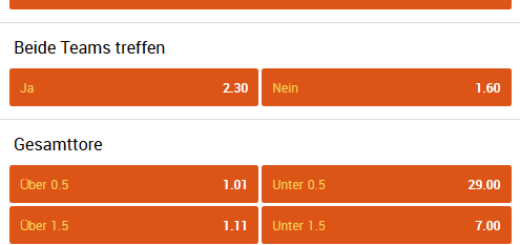
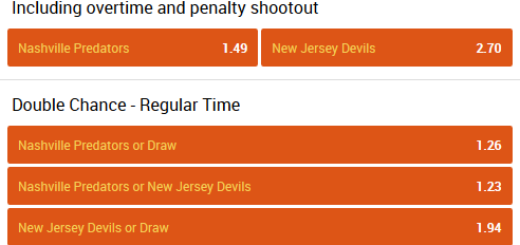
I treat betting odds as the market’s price tag for risk and value; they tell me where the money and information sit. For example, a £10 stake at odds of 2.50 returns £25 (profit £15), and bookies’ margins on 1X2 markets are commonly 3-5%, which eats expected returns over time.
What Are Betting Odds?
I use decimal, fractional and American formats to read price: decimal 2.50 = implied probability 40% (1/2.50), fractional 3/2, American +150. Odds convert to probability so you can compare market prices; when implied probability is below your estimated chance, that’s positive value you should target.
How Odds Affect Your Winnings
I watch how odds determine payout and signal value: bet £20 at 3.20 returns £64 (profit £44). A tiny shift – 2.00 to 2.10 – changes implied probability from 50% to 47.62%, so your edge shrinks; with a 5% bookmaker margin on a market, I need to beat the implied probability to make long‑term profit.
Digging deeper, I track line movement and market consensus: odds widen after injuries or heavy money, and finding 3.50 when the market median is 3.00 gives you a ~16.7% higher payout and shifts implied probability from 33.3% to 28.6%. You should shop across bookies – even a 2-6% improvement in odds compounds heavily over hundreds of bets.
Top Bookmakers for EPL Betting
I back platforms like Bet365, Betfair Exchange, Sky Bet, William Hill and Unibet for EPL markets – Bet365 often posts the deepest lines, Betfair gives the sharpest prices with ~2% commission, mainstream bookies usually carry a 4-6% margin on 1X2 markets, and I use exchanges for higher-value in-play moves while managing variance and limits.
Key Features to Consider
I zero in on features that turn small edges into returns: speed, liquidity, promotions, limits and reliable cash-out. You want platforms that let you act fast, hedge smart, and withdraw without friction.
- Odds competitiveness – check closing-market positions; a 1% edge over time compounds.
- Market depth – availability of correct-score, props and in-play liquidity on big fixtures.
- In-play latency – sub-second updates matter for live scalps and hedges.
- Promotions & bonuses – value from reload offers, but watch wagering conditions.
- Limits & account treatment – higher exposure caps keep your staking plan viable.
- Knowing exchange commissions (typically ~2%) and how voided/refused bets impact your ROI.
Comparing Odds Across Different Platforms
I line up prices before I bet: a 2.50 (40.0% implied) at one bookie vs 2.65 (37.7% implied) on an exchange changes expected value dramatically; bookie margins average 4-6% while exchanges effectively cost you via ~2% commission, so I target discrepancies of 3%+ for clear +EV plays.
Odds comparison examples
| Platform | Typical note / example |
| Bet365 | Often market leader on match odds and large market selection. |
| Betfair Exchange | Sharpest traded prices; commission ~2% versus bookie vig. |
| Sky Bet | Competitive promos and solid in-play markets for EPL fixtures. |
| William Hill | Consistent lines, sometimes better on accumulators and props. |
I run quick checks on implied probability, overround and EV before committing; converting odds and summing market probabilities tells me the bookie’s margin, and I only act when the math and liquidity support my stake size.
How I compare – steps & examples
| Step | Example / result |
| Convert odds | 2.40 → 41.67% implied; 2.65 → 37.74% implied. |
| Measure overround | Market sum 104% → ~4% net margin you need to beat. |
| Compute EV | If my edge estimates true prob 44% vs implied 41.67% → positive EV. |
Strategies for Finding the Best Odds
I open multiple accounts and shop lines constantly: when I find a book with +0.2 to +0.4 on a market I stake more, because that gap turns into real profit over a season. I track promos, exchange liquidity and live in-play swings, and I exploit bookmaker delays after team news. By targeting markets where margins fall to 2-4% I force long-term edge, not one-off luck.
Researching and Analyzing
I examine xG, recent 6-game form, travel schedules and rotation patterns, relying on numbers: an xG differential >0.5 over three matches often signals mispriced odds. I cross-check injury lists and manager quotes, then size stakes using Kelly fractions so your bankroll scales with true edge, not gut feelings.
Using Odds Comparison Websites
I use sites like Oddschecker, OddsPortal and Betbrain to spot 0.05-0.30 differences across books; that gap equals immediate value. I set alerts for line moves and watch historical odds to catch sharp money-those tools let you find edges I couldn’t spot manually.
Top Comparison Sites
| Oddschecker | Fast UI, market coverage for EPL and promos; I use it for quick pre-match line shopping. |
| OddsPortal | Excellent historical odds and line-move charts; I use it to validate where the market moved first. |
| Betbrain | Good aggregator for niche books; I find underrated prices for corners and cards here. |
| Betfair | Exchange liquidity and live prices; I gauge market sentiment and lay-off trades. |
I go further by using browser extensions and API feeds so I get alerts the moment a price gaps, and I filter by market depth to avoid stale quotes. I track overrounds-when it drops below 3% I press harder-and I log recurring books that shade lines, giving you repeatable advantage, not one-off wins.
How I Use Comparison Tools
| Action | Benefit |
| Set line-move alerts | Catch 0.1-0.3 shifts that equal instant value on £100+ stakes. |
| Compare historical odds | Identify which book moves first and who follows (spotting sharps). |
| Filter by market | Find best EPL markets: match odds, over/under 2.5, corners, cards. |
| Use API/feeds | Automate scanning and lock in prices before books correct them. |
Promotions and Bonuses
Promotions range from free bets (£10-£50), risk-free bets (up to £50), to deposit matches (e.g., 50% up to £100) and regular odds boosts (+20-30% on selected markets). I chase offers but I audit the wagering requirements, expiry and max bet limits first-those kill value fast. You should compare identical boosts across sites and factor their true expected value, not just the headline number.
How They Impact Your Betting
They shift your edge when used correctly: a £20 free bet at 5/1 can convert to roughly £100 of turnover potential if you roll it through markets, but wagering requirements (often 5x-10x) and min odds (commonly 1.5) reduce net gains. I adjust stake sizing, target higher-variance markets for free bets, and avoid promotions that force low-margin bets-you want promotions that amplify your win-rate, not lock you into dead-money play.
Best Promotions for EPL Betting
Focus on enhanced odds for marquee matches, accumulator boosts (often up to 70% extra), and refunds or insurance on wrong legs. I use enhanced odds on high-probability outcomes and acca boosts when I can back multiple high-expected-value picks. You should prioritize offers with low rollover and clear cashout rules; those create real, extractable value.
For example, an acca boost that increases returns by 50% on a £10 stake turning £200 into £300 is pure extra profit if the bookmaker’s max payout and min-odds rules allow it. I also exploit free-bet maths: a £10 free bet on 5/1 returns £50 profit (stake excluded), so I pair that with a hedge to lock in value. Always check expiration, max cashout and stake limits before acting.
Live Betting and In-Play Odds
In-play markets are where margins and timing matter most; I watch EPL matches knowing that a goal, red card or late tactical change can shift prices 20-50% in minutes. I use bookmakers with fast streaming and deep markets like Bet365 and Pinnacle, plus exchanges such as Betfair for better fills. You should track live xG, substitution patterns and possession to exploit short windows where the market overreacts.
Advantages of Live Betting
I use live betting to turn moments into edges: you can hedge pre-match losses, back a team after momentum shifts, or capitalise on bookmakers slow to price a sudden red card. For example, odds for a team down after a red can move by 30%+ within two minutes; if your feed latency is low and you act fast, you convert volatility into profit while others lag.
Finding the Best Live Odds
I compare odds across platforms every match minute, favouring sites with low margins and high liquidity; Pinnacle often offers sharp prices, Bet365 has the fastest in-play markets, and Betfair exchange gives you control over fills. Use multiple accounts so your stakes flow to the market with the best price and avoid bookmakers that restrict live stakes after a few wins.
More practically, I run an odds monitor and set alerts for specific markets-next goal, correct score, and Asian handicap-and I watch latency: streams under one second beat mobile app delays. You should prioritise bookmakers with real-time stats feeds and test settlement speed during quiet matches so when a big swing happens, your bet hits at the price you targeted.
Player Insights and Statistics
I live in the numbers: xG, shots on target/90, progressive carries and minutes played reveal whether a hot streak is sustainable. Bookmakers move lines when those metrics diverge from headlines; Erling Haaland’s 36-goal 2022-23 season is a textbook case where underlying xG and shot volume justified shortening odds. I force you to check trends, not Twitter narratives.
How Player Performance Influences Odds
I watch short-term metrics like last-6-game xG/90, non-penalty xG and minutes played; when a striker’s xG/90 jumps from 0.25 to 0.6, bookmakers shorten his anytime-scorer odds fast. For instance, Haaland’s 2022-23 output followed sustained 0.8+ xG/90 patches, prompting lines to collapse across markets. You should treat sudden drops in minutes or injuries as immediate red flags.
Resources for Player and Team Stats
I use a mix: Opta/StatsPerform for industry feeds, Understat and FBref for xG and historical splits, WhoScored for match ratings, and Transfermarkt for squad availability. Understat and FBref are free; Opta-level feeds power pro models and are often paid. You should bookmark them and export CSVs for quick analysis.
Dig deeper by tracking last-6 and last-20 match windows, comparing non-penalty xG to actual goals to spot over/underperformance, and filtering for minutes ≥60 to avoid noise. I cross-check injury updates on club sites and SofaScore, then watch Betfair market moves for crowd-driven signals. Combining xG trends, minutes data and live-line shifts gives you a real edge.
To wrap up
Now I cut through noise: I compare bookmakers, shop odds, and exploit promos so your bets have real edge. I focus on market depth, timing, and bankroll control, and I move fast when value shows up. If you do the legwork, you’ll find better EPL prices and turn small advantages into consistent wins.
FAQ
Q: How do I compare EPL betting odds effectively across multiple bookmakers?
A: Use odds-aggregator sites (Oddschecker, OddsPortal) and betting-exchange prices (Betfair, Smarkets) to see the full market range, convert decimal odds to implied probability to spot value, and calculate each bookmaker’s margin or overround to find the softest books. Track line movement from market opening to kick-off to identify where money and information pushed prices, and maintain accounts with several reputable bookmakers so you can lock in the best available price when you spot an edge.
Q: Where are the fastest places to find the highest EPL odds and how frequently do they change?
A: The fastest price updates come from exchanges and bookmaker APIs/apps; odds-aggregator sites pull many of these in near real-time. Pre-match odds can shift after team news, injuries, or large bets, often changing several times from market open to kick-off; in-play odds update continuously as events occur. Use odds alerts, API feeds, or odds-tracking tools to catch short-lived value and compare both early-market lines and last-minute prices to decide optimal entry timing.
Q: What practical strategies increase the chance of profit when shopping for the best EPL odds?
A: Focus on value betting rather than backing favorites blindly: quantify expected value with your own model or projection, specialize in specific markets (Asian handicap, corners, specific teams) where you can gain knowledge, and practice disciplined staking (Kelly fraction or fixed-percentage bankroll plans). Shop lines across multiple accounts, exploit promotions only when terms enhance value, consider exchanges for lower margins and trading, keep detailed records to measure edge, and set account and stake limits to manage risk and avoid emotional decisions.