EPL betting tips and prediction
You can make smarter EPL bets when I share easy-to-follow strategies that focus on researching team form, tracking injuries, and finding value odds; I also warn you about the danger of chasing losses and encourage staking plans to protect your bankroll, so your long-term edge grows while keeping betting fun.
Types of EPL Bets
I group EPL bets into five main categories to simplify strategy: match outcomes, goal totals, goal scorers, handicaps and speciality markets. Since the league averages around 2.7-2.9 goals per game in recent seasons, I focus on how that affects Over/Under and Both Teams to Score lines; you can exploit bookmaker line movement and team form to find value. Assume that tracking minutes played and weather shifts pre-match often changes the edge.
- Match Result (1X2)
- Over/Under Goals
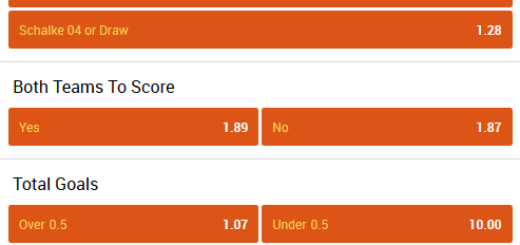
- Both Teams to Score (BTTS)
- Correct Score
- Asian Handicap
| Match Result (1X2) | Pick Home/Draw/Away; I use form, home edge and head-to-head to gauge implied probability. |
| Over/Under | Typical market is 2.5 goals; I compare team goal averages, last 5 matches, and injuries. |
| Both Teams to Score | Binary yes/no; useful when both sides average >1.2 xG per match or press high defensively. |
| Correct Score | High variance market; I only play with small stakes or when stats point to a likely 2-1/1-1 outcome. |
| Asian Handicap | Removes draw; I use -0.5/-1 lines when favorites have >60% implied win probability from models. |
Match Result Bets
I use 1X2 and double-chance when probability models show mispriced odds: a 3.33 decimal price implies ~30% chance, so I compare that to my model probability and stake when my edge exceeds the bookmaker margin. You should weight home advantage, travel, and recent rotations; I often reduce stakes if a key starter is rested or if the fixture pile-up affects selection.
Over/Under Bets
I target Over/Under 2.5 and 3.5 by tracking team averages, expected goals (xG) and head-to-heads: top attackers like those at Manchester City raise the probability of overs, while defensive teams drop it. You can find value when line movement lags injury news or when both teams average above 1.4 goals per match in their last six fixtures.
Assume that when both teams have scored in 4 of their last 5 meetings and combined xG per match exceeds 2.6, the market should favour Over 2.5; I then check for late team news, referee tendencies (some refs average 3.1 cards and 2.9 fouls per match) and in-play patterns to decide whether to place a pre-match or live bet, aiming to capture line movement and reduce variance.
Essential Tips for Betting Success
I focus on disciplined bankroll management, hunting value in the market, and tracking odds movement to sharpen my EPL betting predictions; I size stakes at 1-2% per pick and log outcomes to measure ROI. I also prioritize injury reports, weather and late team news that shift markets quickly. Recognizing when a perceived edge disappears saves money.
- Bankroll: 1-2% units, strict staking plan
- Value: target +5% edge vs implied odds
- Research: check xG, head-to-head, injuries, last 6 games
- Discipline: avoid chasing losses, set loss limits
Research and Analysis
I cross-check xG, shots on target, and recent form – I focus on the last six matches where trends emerge; for example, a side averaging 1.8 xG versus an opponent at 0.9 xG indicates an offensive gap worth exploring. I monitor lineup news, suspensions, and market odds movement (a 0.2 shift often signals sharp money) to refine predictions you can trust.
Keep Emotions in Check
I set fixed unit sizes and a daily loss cap so you don’t chase bad runs; I use 1-2% units and stop after losing three units in a row to reassess. I avoid betting on bias for my team and resist increasing stakes after a streak – chasing losses is the most dangerous habit for long-term betting success.
I keep a simple journal logging stake, mood, and rationale for each wager and review it weekly; once I noticed I raised stakes by 50% after two wins and then lost both bets, which cost me a full week’s profits. Using a cooling-off rule (24-72 hours) after a losing day and automated staking helps curb impulse bets and protects your bankroll.
Step-by-Step Guide to Placing Your Bets
Step-by-Step Actions
| Step | Action |
|---|---|
| Choose Bookmaker | Verify license, compare odds and market depth, check limits and payout speed; note examples like Bet365, Pinnacle, FanDuel for market variety. |
| Set Budget | Define bankroll, decide staking (1-3% typical), set daily/weekly caps, and log every bet. |
| Research | Use xG, form, injuries, and H2H stats to find value bets; avoid overloaded markets. |
| Place & Verify | Confirm odds, stake, and market rules before submitting; watch for bonus T&Cs or max payout limits. |
Choose a Reliable Bookmaker
I check that a bookmaker holds a license from the UK Gambling Commission or Malta Gaming Authority, offers consistently competitive odds (Pinnacle and Bet365 often show lower margins), and provides clear withdrawal procedures; I also compare market depth for the EPL-full match markets, corners, and HT/FT-to ensure you can place the exact bets you want without sudden limits.
Set Your Budget
When I set my budget I treat the bankroll as a dedicated fund and stake between 1-3% per bet-for example, with a £500 bankroll I typically bet £10 (2%); I also impose a weekly cap and do not chase losses, which helps you stay in control during losing runs.
For example, if your starting bankroll is £500 and you pick a 2% stake, log each bet (stake, odds, market, result) in a simple spreadsheet so you can track ROI and streaks; I adjust the percentage after sustained profit or drawdown-raise slightly after a +20% run, cut back after a −15% drawdown-and set an absolute monthly loss limit to protect your capital.
Key Factors Influencing EPL Outcomes
I weigh team form, injuries, tactical setups and fixture congestion when making EPL betting predictions; small details like a suspended left-back or a rotated striker can flip odds. I also track referee tendencies, weather, and home/away splits – for example, a rested team facing one with three-game weeks often gains an edge. Perceiving these interactions helps you spot value bets faster.
- Team Form and momentum
- Injuries & player availability
- Home/Away performance
- Statistics (xG, shots, conversion)
- Fixture congestion & rotation
- Manager tactics & referee patterns
Team Form and Injuries
I monitor the last six matches, goals and xG trends to assess team form; a 4-1-1 run differs hugely from a 1-1-4 collapse. I pay attention when a side loses two or more starters – especially a goalkeeper or central midfielder – since that often reduces short-term win probability by around 10-20%, so your stakes and lines should adjust accordingly.
Statistics and Historical Data
I lean on statistics like xG, shots on target and head-to-head records; teams averaging more than 1.8 goals per game across 30 matches typically push for top-six finishes, so you can weight those trends. I cross-check sample sizes and avoid overreacting to small samples when forming a prediction.
I also segment data by home/away, rolling 12-month trends and manager tenure; for instance, home sides win roughly 45-50% of EPL fixtures historically, so a strong away run carries added value. I run simple regressions and downweight older data when transfers or injuries materially change a squad.
Pros and Cons of EPL Betting
I’ve seen the EPL’s scale-20 teams, 380 matches per season and often hundreds of markets per fixture-create both opportunity and risk. You’ll find high liquidity and frequent value but also tight bookmaker margins (typically 5-7%) and sudden swings from injuries, red cards or VAR that can wipe out profits. Use data and strict staking to protect your bankroll.
| Pros | Cons |
|---|---|
| Large fixture volume (380 matches/season) | Bookmaker margins commonly around 5-7% |
| Many markets per match (outrights, props, in-play) | High volatility from red cards, VAR and late goals |
| Extensive publicly available stats (xG, shot maps) | Squad rotation for cups/Europe complicates models |
| Strong live/in-play liquidity for trading | Accounts can be limited or banned for winners |
| Global coverage, easy scouting of form and injuries | Promos can mask negative expected value |
| Frequent promotions and boosted odds | Risk of addiction and significant financial loss |
| Arbitrage and value opportunities on lesser markets | Sharp markets on top matches reduce edges |
| Historical patterns (home advantage, fixture trends) | Unpredictable external factors (weather, travel) |
Advantages of Betting on EPL
I prefer EPL markets because the data depth-team xG, shot locations, set-piece frequency-lets me build models and back-test strategies across 380 matches a season. Broad TV coverage and global liquidity keep odds tight, so when I find a genuine edge it’s often exploitable quickly; for example, in-play markets often misprice substitutions and fatigue late in games, giving measurable opportunities.
Disadvantages to Consider
I warn you that volatility is real: a single red card or VAR decision can swing an outright bet or in-play trade. Bookmakers’ margins and market efficiency on marquee fixtures mean your edge must be clear and repeatable, and you must manage staking to avoid serious financial loss or problematic betting behavior.
In practice I’ve seen December fixture congestion and midweek European ties force rotation that breaks models based on starters; likewise, an injury to a key striker or sudden managerial change can wipe out a season’s worth of expectations. You need contingency rules, strict stop-losses and a focus on bankroll preservation to handle these shocks.
To wrap up
With these considerations, I encourage you to weigh team form, injuries, tactics and value odds before placing wagers; I analyze stats and trends, manage a strict bankroll, and accept small losses so your EPL betting predictions stay measured and based on evidence rather than impulse.