How Do Betting Odds Work In Sports Wagering?
Most individuals engaging in sports wagering are often bewildered by the concept of betting odds. Understanding how these odds work is vital for making informed decisions about your bets. This guide will clarify the mechanics behind betting odds, enabling you to navigate the betting landscape with confidence.
At their core, betting odds represent the probability of a particular outcome occurring in a sporting event. They are typically displayed in three formats: fractional odds, decimal odds, and moneyline odds. Each format expresses the same information but in different ways.
Fractional odds, commonly used in the UK, are shown as a fraction, such as 5/1 or 10/3. This means that for every unit you wager, you will earn the numerator in profit if your bet wins. For instance, if you place a £10 bet at 5/1 odds, you would win £50 in profit, plus your initial stake back, resulting in a total return of £60.
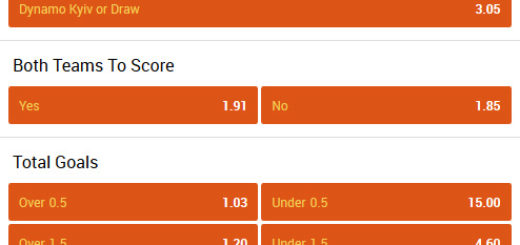
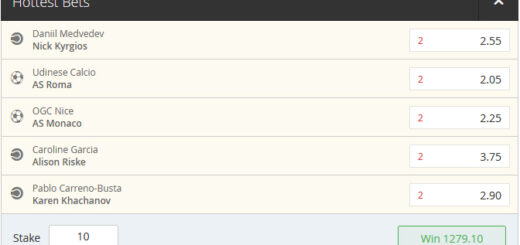
Decimal odds are increasingly popular in Europe and Australia and are presented as a single number, such as 6.00 or 3.50. To calculate your potential return, you multiply your stake by the decimal odds. Using the same £10 bet at 6.00 odds, you would receive £60 if successful (£10 x 6.00).
Moneyline odds are primarily used in the United States and can be either positive or negative. Positive odds indicate how much profit you will make on a £100 stake. For example, +500 means you would win £500 on a £100 bet. Negative odds indicate how much you need to wager to win £100; for instance, -200 means you must bet £200 to win £100.
Betting odds are influenced by various factors, including team performance, injuries, weather conditions, and public sentiment. The betting market adjusts the odds to balance the action on both sides of a wager, ensuring the bookmaker mitigates risk. This means that the odds you see may shift as the event approaches, particularly if significant information comes to light.
To gain an edge in sports betting, it’s vital to grasp the concept of value betting. This involves identifying when the odds offered by a bookmaker do not accurately reflect the actual probability of an outcome. For example, if a team is favoured to win, but you believe their chances are lower than the odds suggest, it might represent a valuable betting opportunity.
Additionally, consider the impact of the betting exchange model, where you can both back and lay bets. This peer-to-peer system often leads to more competitive odds, as players are setting their prices rather than just accepting those set by a bookmaker.
In the final consideration, understanding how betting odds work is fundamental to successful sports wagering. By familiarising yourself with different formats and how they translate into real-world probabilities, you can significantly enhance your betting strategy.